How Conical fermenter Improves Yeast Fermentation Efficiency
A conical fermenter is one of the most effective vessel designs for improving yeast fermentation efficiency in brewing, winemaking, cider production, and other fermentation-based industries. Its distinctive cone-shaped bottom is more than a structural feature: it supports better yeast management, cleaner separation, improved sediment removal, and more consistent fermentation performance. For businesses and content publishers looking to build SEO-friendly industry pages, product category pages, or educational blog content, the topic of conical fermenter efficiency offers strong search relevance and broad commercial intent.
What Is a Conical Fermenter?
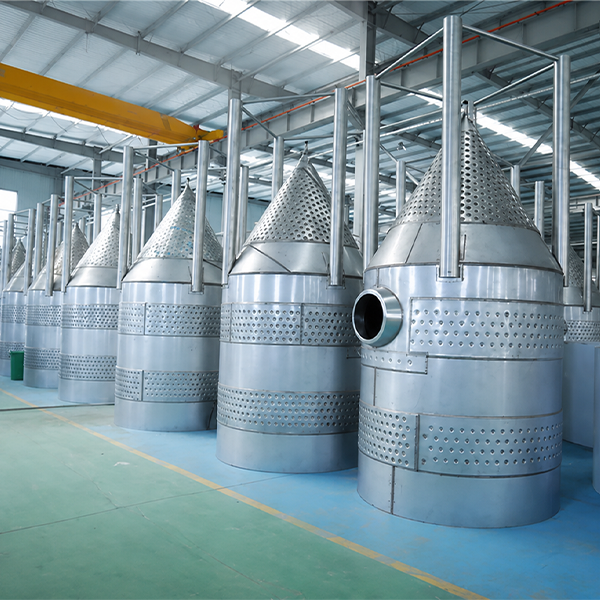
A conical fermenter is a Fermentation vessel designed with a conical bottom section that narrows to a point. This geometry allows yeast, trub, and other sediment to naturally settle into the lower cone during fermentation. Instead of leaving the entire batch undisturbed or transferring the liquid repeatedly, operators can manage the process more precisely by collecting or removing sediment from the cone while keeping the active fermenting liquid above it.
In practical terms, a conical fermenter helps create a cleaner, more controlled fermentation environment. The shape supports easier yeast Harvesting, more efficient removal of unwanted solids, and reduced contamination risk. These benefits make conical fermenters highly valued in commercial and craft fermentation workflows.
Why Yeast Fermentation Efficiency Matters
Yeast fermentation efficiency refers to how effectively yeast converts sugars into alcohol, carbon dioxide, and flavor compounds under controlled conditions. High fermentation efficiency means better sugar utilization, stable yeast performance, improved product consistency, and less waste. In brewing and similar applications, efficiency can directly influence production output, batch quality, fermentation time, and operational cost.
When fermentation efficiency is poor, common problems may occur: sluggish fermentation, incomplete attenuation, off-flavors, excessive sediment retention, higher contamination risk, and lower yield. For producers aiming to optimize both quality and throughput, equipment design plays a major role. That is where the conical fermenter stands out as an industry-standard solution for improving yeast fermentation efficiency.
The conical fermenter improves yeast fermentation efficiency through a combination of physical design and process control advantages. The shape, drainage point, and sediment collection zone all contribute to more effective yeast handling and more consistent results.
1. Better Yeast Sedimentation and Separation
During fermentation, yeast activity produces a mixture of beer, wine, cider, or other fermented liquid along with solids such as dead yeast cells, proteins, hop debris, and fruit particles. In a conical fermenter, these materials naturally settle into the cone-shaped bottom. This makes it easier to separate clear liquid from sediment without disturbing the entire batch.
Because sediment can be removed from the bottom, the active fermentation zone stays cleaner. This allows the yeast to continue working in a less cluttered environment, which supports more stable fermentation and reduces the chance that decomposing solids will impact flavor or process quality.
2. Simplified Yeast Harvesting
One of the most important advantages of a conical fermenter is the ability to harvest healthy yeast from the bottom cone. Instead of discarding the yeast after each batch, operators can collect usable yeast for future fermentation cycles. This can improve fermentation efficiency in two ways: it reduces yeast procurement costs and supports the reuse of yeast strains with known performance characteristics.
Freshly harvested yeast from a conical fermenter is often cleaner and more viable than yeast collected from less efficient vessel designs. With proper handling, this can contribute to stronger starts in future batches and improved consistency across production runs.
3. Reduced Need for Transfers
Traditional fermentation setups often require multiple transfers between vessels for clarification, sediment removal, or conditioning. Each transfer can expose the product to oxygen and contamination. A conical fermenter reduces the need for these steps by allowing sediment to be removed in place. Fewer transfers mean less process interruption, lower contamination risk, and better retention of fermentation control.
This streamlined process helps yeast remain in a favorable environment for longer, which can support more complete and efficient sugar conversion.
4. Improved Temperature and Process Stability
Although temperature control depends on system design and external cooling methods, conical fermenters often integrate well with efficient temperature management systems. Stable temperature is essential for yeast activity because yeast responds quickly to heat fluctuations. By maintaining a consistent fermentation environment, the vessel helps yeast perform predictably and efficiently.
Stable fermentation conditions can reduce stress on yeast cells, limit off-flavor formation, and help maintain a healthier fermentation cycle overall.
Main Advantages of a Conical Fermenter for Yeast Fermentation
The conical fermenter offers multiple operational and quality benefits. These advantages are relevant across brewing, winemaking, distilling support processes, cider production, and other fermentation applications.
Advantage |
How It Helps Yeast Fermentation Efficiency |
Operational Impact |
|---|
Conical sediment collection |
Allows yeast and trub to settle in one concentrated zone |
Easier separation, cleaner fermentation, better clarity |
Yeast harvesting capability |
Makes it simple to collect viable yeast for reuse |
Lower yeast cost, improved batch-to-batch consistency |
Reduced transfers |
Minimizes movement between vessels |
Lower contamination risk, less oxygen exposure |
Improved sanitation workflow |
Supports easier removal of solids and cleaning access |
More hygienic fermentation process |
Better process control |
Allows operators to manage sediment and yeast without disturbing the batch |
More predictable fermentation performance |
Higher product consistency |
Creates stable conditions for yeast activity |
More uniform flavor, aroma, and attenuation |
How the Conical Shape Supports Yeast Efficiency
The efficiency of a conical fermenter is directly connected to its geometry. The narrowing bottom concentrates solids in a small area, making sediment removal practical and precise. In a flat-bottom vessel, sediments can spread across a wider surface area, making them harder to separate cleanly.
With a conical design, gravity becomes a useful process aid. Yeast flocculates, settles, and compacts in the lower cone. The compacted sediment is easier to isolate, which means clearer liquid remains above. In a fermentation context, this reduces the likelihood that inactive or stressed yeast cells remain suspended in the batch longer than necessary.
This shape also helps minimize the re-suspension of trub during handling. When sediment remains undisturbed at the bottom, the active fermentation environment stays more stable. That stability contributes to better yeast health and higher fermentation efficiency overall.
Common Applications of Conical Fermenters
Conical fermenters are used across a range of fermentation industries where yeast performance and cleanliness are important. Their design supports both small-batch production and high-volume commercial operations.
Industry |
Typical Use |
Efficiency Benefit |
|---|
Brewing |
Primary and secondary Beer fermentation |
Cleaner yeast management and sediment removal |
Winemaking |
Controlled fermentation of grape must |
Improved clarification and sediment handling |
Cider production |
Fermentation of apple juice and fruit blends |
Better control over yeast and fruit solids |
Craft beverage production |
Experimental or specialty fermentation batches |
Easy process adjustment and batch monitoring |
Food fermentation |
Selected industrial fermentation workflows |
Better separation and sanitary handling |
Key Features That Improve Yeast Fermentation Efficiency
Not all conical fermenters are identical, but several common features are especially important for yeast fermentation efficiency. These specifications affect how well the vessel performs in real-world production.
Feature |
Description |
Why It Matters |
|---|
Conical bottom angle |
The slope of the cone that collects sediment |
Influences how effectively yeast and trub settle |
Bottom drain valve |
Valve used to remove sediment from the cone |
Allows precise sediment discharge without batch disturbance |
Yeast collection port |
Access point for harvesting useful yeast |
Supports yeast reuse and process efficiency |
Temperature control jacket |
Cooling or heating system integrated into the vessel |
Helps maintain stable yeast activity |
Pressure-rated construction |
Design capable of handling internal pressure where applicable |
Supports controlled fermentation environments |
Sanitary fittings |
Hygienic connection points and smooth surfaces |
Reduces contamination risk and improves cleaning |
Specification Overview for a Conical Fermenter
The following table provides a general specification overview for conical fermenters. Actual values vary by application, vessel size, and production requirements, but these ranges are useful for industry content and product planning.
Specification |
Typical Range or Type |
Notes |
|---|
Material |
Stainless steel, food-grade alloy, or sanitary-lined material |
Chosen for durability, hygiene, and corrosion resistance |
Capacity |
Small, medium, or large industrial volumes |
Available for craft and commercial production |
Bottom design |
Conical base with drain point |
Supports sediment collection and yeast removal |
Surface finish |
Smooth sanitary finish |
Improves cleaning and reduces contamination buildup |
Temperature system |
Optional jacketed cooling or heating |
Maintains controlled yeast activity |
Pressure capability |
Atmospheric or pressure-rated models |
Depends on process requirements |
Access ports |
Top manway, side fittings, bottom drain |
Enables inspection, cleaning, and yeast management |
Cleaning method |
Manual cleaning or CIP-compatible design |
Supports sanitation and operational efficiency |
How Conical Fermenter Design Improves Hygiene and Contamination Control
Yeast fermentation efficiency is not only about speed or yield. It also depends on maintaining a clean and stable microbiological environment. Contamination can disrupt yeast performance, reduce product quality, and create costly batch losses. A conical fermenter supports better hygiene by making it easier to remove solids, clean internal surfaces, and isolate sediment.
The bottom cone concentrates material in a way that helps prevent long-term buildup across the entire vessel. This can simplify sanitation, especially when the vessel is designed with sanitary surfaces and proper drainage. By reducing residue retention, the conical fermenter helps lower the chance that unwanted microorganisms survive between batches.
Better hygiene means healthier yeast, more reliable fermentation, and improved product consistency. In this sense, sanitation and fermentation efficiency are closely connected.
Yeast Harvesting and Reuse Benefits
One of the most valuable features of a conical fermenter is the ability to harvest yeast for reuse. Yeast reuse is a common efficiency strategy in many fermentation operations because it can improve resource utilization and reduce reliance on fresh yeast for every batch.
When yeast is collected from the cone, it can often be separated from heavier trub and sediment more efficiently than from other vessel types. This creates a cleaner yeast crop that may be suitable for future fermentation, depending on production standards and handling practices. Reusing healthy yeast can shorten lag time in the next batch, improve fermentation predictability, and reduce ingredient waste.
For operations focused on cost control and consistent output, yeast harvesting is one of the strongest reasons to choose a conical fermenter.
Operational Benefits for Commercial Production
In commercial environments, efficiency is measured not just by fermentation speed, but by labor savings, batch reliability, cleaning time, and product quality. The conical fermenter performs well in all of these areas.
- Less manual intervention during sediment removal
- Better use of yeast across multiple batches
- More streamlined batch turnaround
- Lower product loss from unnecessary transfers
- Greater consistency in fermentation results
- Improved sanitation and reduced contamination risk
These advantages help explain why conical fermenters are commonly associated with modern, efficient fermentation systems. Their design supports scalable production while preserving product quality.
Best Practices for Using a Conical Fermenter
To maximize yeast fermentation efficiency, proper process management is essential. Even the best vessel design works best when used correctly.
Best Practice |
Purpose |
Effect on Efficiency |
|---|
Monitor fermentation temperature |
Maintain optimal yeast activity |
Reduces stress and supports predictable fermentation |
Remove sediment at the right time |
Avoid excessive buildup in the cone |
Keeps fermentation cleaner and more stable |
Harvest yeast carefully |
Preserve viable yeast cells for reuse |
Improves resource efficiency and future batch performance |
Follow proper sanitation procedures |
Prevent contamination |
Protects yeast health and product quality |
Avoid unnecessary agitation |
Keep sediment settled in the cone |
Improves separation and clarity |
A conical fermenter improves yeast fermentation efficiency by enhancing sediment separation, simplifying yeast harvesting, reducing transfers, and supporting cleaner, more controlled fermentation conditions. Its cone-shaped design allows yeast and solids to settle in one place, making process management more effective and sanitation easier. For breweries, wineries, cider makers, and other fermentation-focused operations, the conical fermenter is a practical solution for improving product consistency, reducing waste, and supporting better yeast performance.
Because the conical fermenter combines functional design with operational efficiency, it remains one of the most important vessel types in modern fermentation industries. It helps producers manage yeast more intelligently, maintain cleaner batches, and achieve more predictable results across production cycles.
Frequently Used Keywords in This Topic
To support search visibility and semantic relevance, this topic commonly includes terms such as: conical fermenter, yeast fermentation efficiency, fermentation vessel, yeast harvesting, sediment removal, fermentation tank, fermentation process, yeast management, sanitary fermentation equipment, and fermentation consistency. Using these keywords naturally throughout page content can help improve topical relevance for search engines.
```
 +86 29-87031531





 هاتف
هاتف
تعليق
(0)