How to Choose Stainless steel Conical fermenter for Home Brewing Setup
Home brewing has grown significantly in popularity as enthusiasts seek to craft high-quality beer at home. One of the most important decisions for any home brewer is Choosing the right Stainless steel conical fermenter. Selecting the correct fermenter can impact fermentation efficiency, beer quality, and ease of maintenance. This guide explains how to choose stainless steel conical fermenter for home brewing setup, covering size, design, hygiene, temperature control, and other critical factors.
Stainless steel conical fermenters offer numerous advantages over plastic or glass options. They are durable, easy to clean, and designed to simplify yeast management. However, choosing the wrong fermenter can lead to inconsistent fermentation, off-flavors, and unnecessary frustration in a home brewing setup. This guide helps brewers make informed choices for a reliable and efficient home brewing experience.
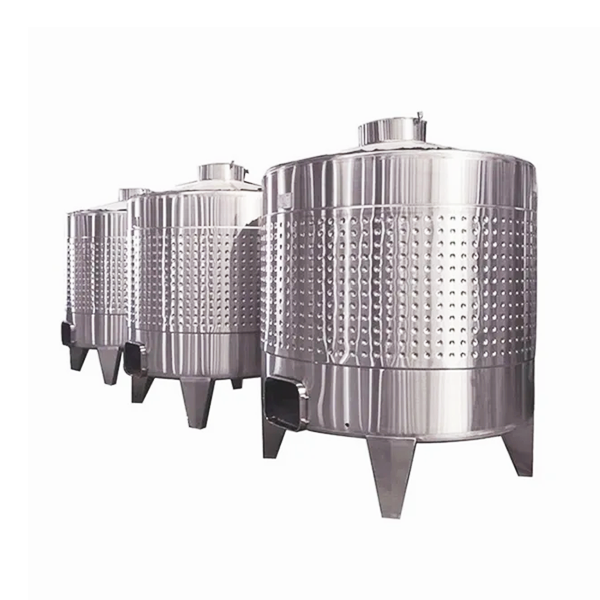
1. Understanding Stainless Steel Conical Fermenters
A stainless steel conical fermenter is a vessel designed for fermentation, typically featuring a cone-shaped bottom that facilitates sediment and yeast collection. These fermenters are widely used in both commercial and home brewing due to their durability and ease of sanitation.
Key characteristics of stainless steel conical fermenters:
Food-grade stainless steel construction
Conical bottom for yeast and trub collection
Temperature control capabilities
Valve systems for sampling and draining
Understanding these features is the first step in learning how to choose stainless steel conical fermenter for home brewing setup.
2. Determining the Right Size
Size is one of the most important factors when choosing a stainless steel conical fermenter for home brewing setup. Selecting the proper volume ensures efficient fermentation without overcrowding yeast or leaving too much headspace.
Size considerations:
Match fermenter size to typical batch volume
Allow space for fermentation foam and CO₂ release
Consider future scaling in home brewing setup
Small batches may use 5–10 gallons; larger setups may require 15–30 gallons
Choosing the correct size ensures better yeast performance and consistent beer quality in a home brewing setup.
3. Evaluating Material Quality
The material of a fermenter affects durability, sanitation, and chemical resistance. Stainless steel is preferred in home brewing setups because it is non-porous, corrosion-resistant, and easy to clean.
Material benefits:
Long-lasting performance
Resists corrosion from acidic beer
Hygienic and easy to sanitize
Maintains structural integrity over multiple batches
Understanding material quality is essential when learning how to choose stainless steel conical fermenter for home brewing setup.
4. Conical Bottom Design
The conical bottom is a defining feature of these fermenters. It allows yeast and trub to settle efficiently, making Harvesting and cleaning simpler.
Conical bottom advantages:
Easy yeast separation for reuse
Reduces sediment contact with beer
Simplifies racking and transfer to bottling or kegging
Improves clarity and flavor of finished beer
For home brewing setups, a conical bottom is a practical choice that supports efficient fermentation and consistent beer quality.
5. Temperature Control Considerations
Temperature stability is crucial for yeast performance and fermentation consistency. Some stainless steel conical fermenters include cooling jackets or allow integration with external cooling systems.
Temperature control benefits:
Maintains optimal fermentation temperature
Prevents off-flavors from temperature fluctuations
Supports different beer styles requiring precise temperatures
Enhances yeast health and activity
Temperature control is a critical factor in how to choose stainless steel conical fermenter for home brewing setup.
6. Valve Systems and Port Configuration
Stainless steel conical fermenters often feature valves and ports for draining, sampling, and adding ingredients. Proper design ensures efficiency and sanitation.
Valve benefits:
Easy transfer of beer without disturbing sediment
Convenient sampling for quality checks
Hygienic connections reduce contamination risk
Simplifies yeast harvesting
Understanding valve design helps brewers select a fermenter that aligns with their home brewing setup needs.
7. Ease of Cleaning and Sanitation
Cleaning is one of the most critical aspects of successful home brewing. Stainless steel fermenters are easier to clean than plastic alternatives due to their smooth, non-porous surfaces.
Cleaning considerations:
Compatibility with cleaning-in-place (CIP) systems
Smooth surfaces reduce microbial buildup
Removable valves and fittings for thorough cleaning
Sanitization ensures safe fermentation
Proper sanitation is essential for consistent beer quality and is a key consideration in how to choose stainless steel conical fermenter for home brewing setup.
8. Portability and Home Brewing Space
Home brewers often need to consider space limitations. Stainless steel conical fermenters should fit comfortably within the designated brewing area.
Portability tips:
Evaluate height and diameter relative to home brewing setup
Consider lifting or moving fermenter with full liquid
Ensure access to valves and ports for cleaning and sampling
Modular setups may save space
Choosing a fermenter that fits your space improves workflow efficiency and reduces handling risks.
9. Budget and Cost Considerations
Cost is always a factor in home brewing setups. Stainless steel conical fermenters are an investment, but they provide long-term durability.
Budget tips:
Compare size, material thickness, and valve features
Consider total lifecycle cost rather than initial price
Prioritize quality to reduce replacement and maintenance
Balance features with brewing frequency and batch size
Understanding budget constraints is a practical part of learning how to choose stainless steel conical fermenter for home brewing setup.
10. Additional Features to Consider
Some fermenters include additional features that enhance home brewing convenience:
Integrated temperature gauges or thermowells
Pressure-rated lids for secondary fermentation
Insulated jackets for stable fermentation
Compatible with automated fermentation monitoring
Choosing features that match your brewing goals improves overall efficiency and quality.
11. Yeast Harvesting and Reuse
Reusing yeast is a common practice in home brewing to reduce cost and maintain consistent fermentation. Conical bottoms make yeast harvesting easier.
Yeast management benefits:
Efficient sediment separation
Minimal yeast waste
Supports consistent fermentation across batches
Reduces risk of contamination
Effective yeast management is a key factor when deciding how to choose stainless steel conical fermenter for home brewing setup.
12. Safety Considerations
Safety should always be a priority in home brewing. Stainless steel conical fermenters reduce risk compared to glass or plastic options.
Safety benefits:
Durable construction resists breakage
Pressure-rated lids prevent accidents
Non-reactive material ensures safe contact with beer
Stable design reduces tipping risk
Safe operation is crucial for home brewing efficiency and reliability.
13. Step-by-Step Selection Checklist
Brewers can use the following checklist when deciding how to choose stainless steel conical fermenter for home brewing setup:
Determine batch volume and fermenter size
Confirm stainless steel material quality
Evaluate conical bottom design for yeast management
Assess temperature control options
Inspect valve systems and ports
Review cleaning and sanitization ease
Check portability and space requirements
Consider additional features for convenience
Balance cost with desired features
Ensure safety and durability
This checklist ensures informed decision-making for home brewing efficiency.
When choosing a stainless steel conical fermenter for home brewing setup, avoid these common mistakes:
Selecting incorrect size for batch volume
Ignoring cleaning and sanitation requirements
Neglecting valve and port functionality
Choosing poor-quality materials
Overlooking temperature control needs
Avoiding these errors ensures consistent fermentation and high-quality beer production.
15. Benefits of Proper Fermenter Choice
Choosing the right stainless steel conical fermenter for home brewing setup offers multiple advantages:
Consistent beer flavor and aroma
Efficient yeast management
Easy cleaning and maintenance
Reliable fermentation control
Long-term durability
These benefits highlight why proper selection is critical for any home brewing setup.
16. Conclusion
Learning how to choose stainless steel conical fermenter for home brewing setup is essential for home brewers seeking consistent, high-quality beer. By considering factors such as size, material, conical design, temperature control, valve systems, cleaning ease, and safety, brewers can make informed decisions that improve fermentation efficiency and beer quality.
Properly chosen stainless steel conical fermenters simplify yeast management, enhance hygiene, and support repeatable brewing results, making them an invaluable investment for any home brewing setup.
 +86 29-87031531



 هاتف
هاتف
تعليق
(0)