Ultimate guide to Stainless steel fermenter Systems for Modern Breweries
Modern breweries rely heavily on high-quality equipment to produce consistent, flavorful beer. Among the most crucial components in a brewery is the Stainless steel fermenter. These vessels are designed to handle precise fermentation processes while maintaining the purity, taste, and quality of beer. This guide delves into every aspect of stainless steel Fermenter systems, their benefits, types, installation, maintenance, and integration into modern brewery operations.
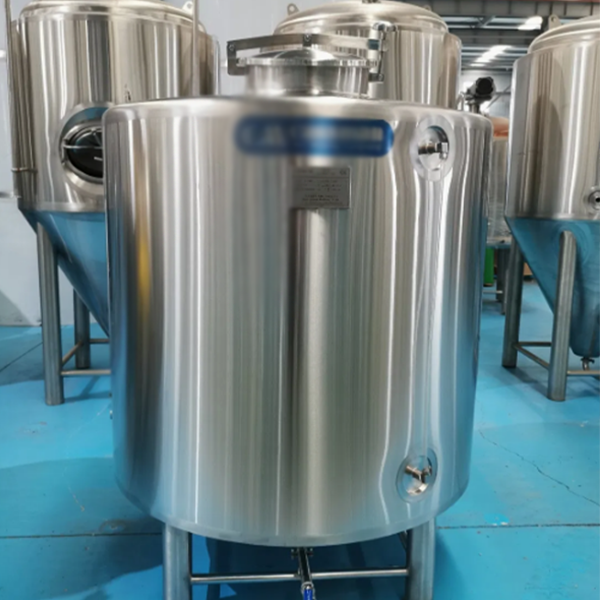
1. What is a Stainless Steel Fermenter?
A stainless steel fermenter is a specialized vessel used for the fermentation process in brewing. Fermentation is the stage where yeast converts sugars into alcohol and carbon dioxide. The quality of this process is directly influenced by the fermenter design, material, and operational control.
Stainless steel is the preferred material for fermenters because it is highly durable, resistant to corrosion, and does not react with beer ingredients. These properties ensure the beer remains pure and uncontaminated throughout the fermentation process.
Modern breweries favor stainless steel fermenters due to several advantages:
Durability and Longevity: Stainless steel resists rust, pitting, and corrosion, offering a long service life for fermentation tanks.
Hygienic and Easy to Clean: Smooth surfaces prevent bacterial growth, allowing for effective cleaning and sterilization.
Temperature Control: Stainless steel tanks can be jacketed for precise temperature regulation, ensuring consistent fermentation.
Pressure Resistance: Suitable for high-pressure fermentations, including carbonated beers and lagers.
Scalability: Available in various sizes, from small pilot fermenters to large commercial tanks for mass production.
By using stainless steel fermenters, breweries ensure a high degree of control over the fermentation process, resulting in consistent and high-quality beer.
3. Types of Stainless Steel Fermenters
Understanding the types of stainless steel fermenters helps breweries select the best option for their production needs. Common types include:
Cylindroconical fermenters (also called conical fermenters) are widely used in modern breweries. They feature a cylindrical body with a conical bottom, which allows for efficient yeast collection and removal. Advantages include:
3.2 Horizontal Fermenters
Horizontal stainless steel fermenters provide a larger surface area for fermentation, which can accelerate yeast activity and improve flavor development. These tanks are often used in craft breweries producing specialty beers.
3.3 Open Fermenters
Open stainless steel fermenters mimic traditional open fermentation methods but offer the benefits of modern materials. They allow brewers to monitor fermentation visually while maintaining hygiene and control over the environment.
3.4 Unitanks
Unitanks are versatile vessels combining fermentation and maturation functions in a single stainless steel tank. They simplify brewery layout, reduce handling, and streamline production workflows.
4. Key Features of Modern Stainless Steel Fermenters
Modern stainless steel fermenters are equipped with features that enhance efficiency, control, and safety:
Temperature Control Jackets: Circulating coolant through jackets or coils maintains precise fermentation temperatures.
Pressure Relief Valves: Protect the tank during fermentation under pressure.
Sampling and CIP Ports: Facilitate sampling, cleaning, and sterilization without contamination.
Digital Monitoring Systems: Sensors for temperature, pressure, and CO2 levels enable automated process control.
Insulation Layers: Preserve fermentation temperature and improve energy efficiency.
These features contribute to consistent beer quality and minimize the risk of contamination or process errors.
5. Materials and Construction
Stainless steel fermenters are typically made from food-grade stainless steel 304 or 316. These alloys are chosen for their excellent resistance to corrosion, ease of cleaning, and non-reactivity with acidic or alcoholic contents. Welded seams are smooth and polished to prevent bacterial growth. High-quality gaskets and fittings are used to maintain airtight seals during fermentation.
The combination of robust construction and hygienic design ensures that stainless steel fermenters meet strict brewery standards.
6. Selecting the Right Stainless Steel Fermenter
When choosing a stainless steel fermenter, breweries must consider:
Production Volume: Match the tank size to the brewery’s output requirements.
Beer Style: Different beer types may benefit from specific fermenter shapes (e.g., lagers prefer temperature-controlled cylindroconical tanks).
Space and Layout: Consider brewery floor space and accessibility for maintenance.
Temperature and Pressure Requirements: Select tanks with appropriate cooling jackets and pressure ratings.
Automation Needs: Advanced breweries may require digital monitoring and control systems.
Careful selection ensures that the fermenter meets operational requirements and supports high-quality beer production.
7. Installation and Integration in Breweries
Proper installation of stainless steel fermenters is crucial for efficient brewery operations. Key steps include:
Foundation Preparation: A level, sturdy foundation ensures tank stability and safety.
Plumbing and Piping: Connect fermenters to wort supply, cooling systems, and drainage.
Temperature Control Setup: Install and test cooling jackets or glycol systems.
Sanitation Protocols: Clean and sanitize tanks before initial use.
Process Integration: Integrate with other brewery equipment such as mash tuns, bright beer tanks, and bottling lines.
Following professional installation guidelines ensures optimal performance and longevity of fermenter systems.
8. Maintenance and Cleaning
Regular maintenance and cleaning are vital to preserving beer quality and extending the life of stainless steel fermenters:
Cleaning-in-Place (CIP): Automated CIP systems allow thorough cleaning without disassembly.
Sanitization: Use approved sanitizers before each fermentation cycle.
Inspection: Regularly check seals, valves, and pressure relief devices.
Polishing: Periodically polish stainless steel surfaces to maintain smoothness and prevent corrosion.
Consistent maintenance reduces contamination risk and ensures consistent beer quality.
9. Energy Efficiency and Sustainability
Modern stainless steel fermenters contribute to sustainable brewery operations:
Efficient insulation reduces energy consumption for temperature control.
Digital monitoring minimizes waste and allows precise process adjustments.
Durable construction reduces the need for frequent replacements, lowering long-term environmental impact.
Some systems recycle cooling water, contributing to water conservation.
By integrating sustainable practices, breweries can optimize energy use and reduce operational costs.
10. Troubleshooting Common Fermentation Issues
Even with stainless steel fermenters, breweries may encounter common fermentation challenges:
Temperature Fluctuations: Check cooling systems and insulation integrity.
Foaming or Krausen Overflow: Adjust fermentation pressure or reduce wort oxygenation.
Sediment Accumulation: Regularly remove yeast and trub from conical bottoms.
Contamination: Ensure proper sanitation and maintain airtight seals.
Proper monitoring and proactive maintenance help prevent these issues and maintain beer quality.
11. Advancements in Stainless Steel Fermenter Technology
Recent technological advancements have further improved stainless steel fermenters:
Smart Fermenters: Equipped with IoT sensors for real-time monitoring.
Automated Temperature Control: Reduces manual intervention and improves consistency.
Modular Designs: Allow easy expansion of brewery capacity.
Enhanced Safety Features: Include automated pressure relief and alarms for abnormal conditions.
These innovations enable modern breweries to optimize efficiency, product quality, and safety.
12. Integrating Fermenters into Modern Brewery Operations
A well-integrated stainless steel fermenter system enhances brewery workflow:
Connect fermentation tanks to wort production, maturation, and packaging lines.
Implement automated monitoring systems for process control.
Train staff on operation, cleaning, and safety protocols.
Schedule preventive maintenance to ensure uninterrupted production.
Integration ensures that stainless steel fermenters contribute effectively to high-quality beer production and operational efficiency.
13. Conclusion
Stainless steel fermenters are the backbone of modern brewery operations. They provide durability, hygiene, precise temperature control, and scalability for breweries of all sizes. By understanding different types, features, maintenance requirements, and integration strategies, breweries can maximize efficiency and produce consistent, high-quality beer.
Investing in well-designed stainless steel fermenters is a strategic step toward achieving production excellence, operational efficiency, and sustainable brewing practices.
 +86 29-87031531



 هاتف
هاتف
تعليق
(0)