New Technology Fruit Vinegar Processing Plant, Apple Cider Vinegar Production Line, and Apple Wine Making Equipment
Introduction
Fruit vinegar, especially apple cider vinegar (ACV), has gained tremendous popularity due to its health benefits, culinary applications, and growing consumer awareness about natural fermentation products. A modern fruit vinegar processing plant integrates advanced technology, automation, and precision equipment to streamline production, ensure high quality, and maximize efficiency.
The industry is now leveraging apple cider vinegar production lines and apple wine making equipment to meet global demand while maintaining consistent product quality. This article provides an in-depth overview of fruit vinegar production technology, equipment specifications, benefits, and industry trends, making it suitable for both professionals and enthusiasts.
1. Definition of Fruit Vinegar and Apple Cider Vinegar
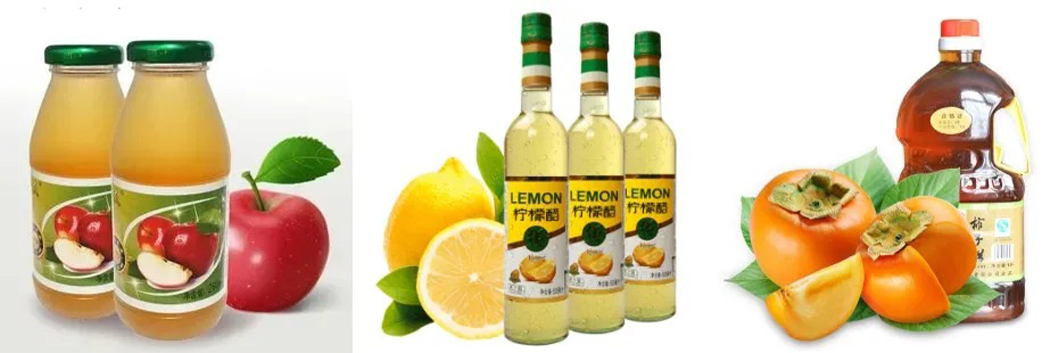
Fruit vinegar is a type of vinegar derived from fermented fruits, such as apples, grapes, pears, and berries. The production process converts sugars into alcohol, which is then further fermented into acetic acid, giving vinegar its distinctive taste and properties.
Apple cider vinegar (ACV) is a specific type of fruit vinegar made from apple juice. It is known for its rich flavor, nutritional value, and natural probiotics. ACV is used in culinary applications, health supplements, and even skincare products.
Key Components of Fruit Vinegar:
Acetic Acid (4–6%)
Organic acids (malic acid, citric acid)
Vitamins (B-complex, C)
Minerals (potassium, magnesium)
Polyphenols and antioxidants
2. Overview of Fruit Vinegar Processing Plant
A fruit vinegar processing plant is an integrated system designed to process raw fruits into high-quality vinegar products efficiently. Modern plants focus on automation, hygiene, and energy efficiency.
Main Objectives:
Increase production efficiency
Ensure consistent flavor and acidity
Minimize contamination risk
Reduce labor and operational costs
Core Components of a Processing Plant:
Fruit washing and sorting units
Juice extraction equipment
Fermentation tanks (alcoholic and acetic fermentation)
Filtration and clarification systems
Pasteurization units
Bottling and packaging lines
3. Apple Cider Vinegar Production Line
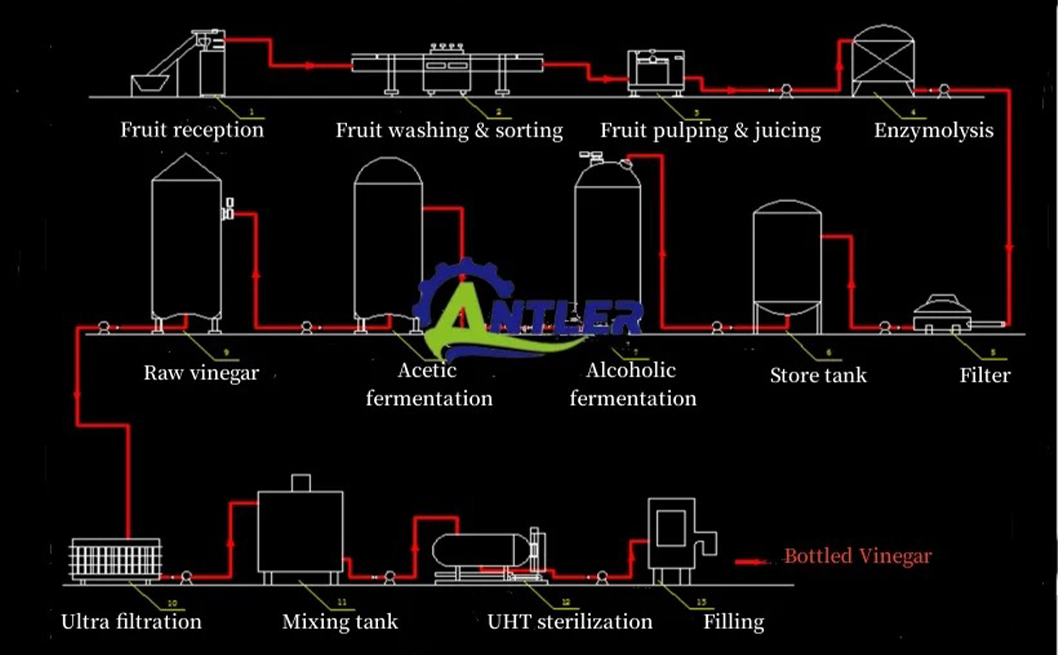
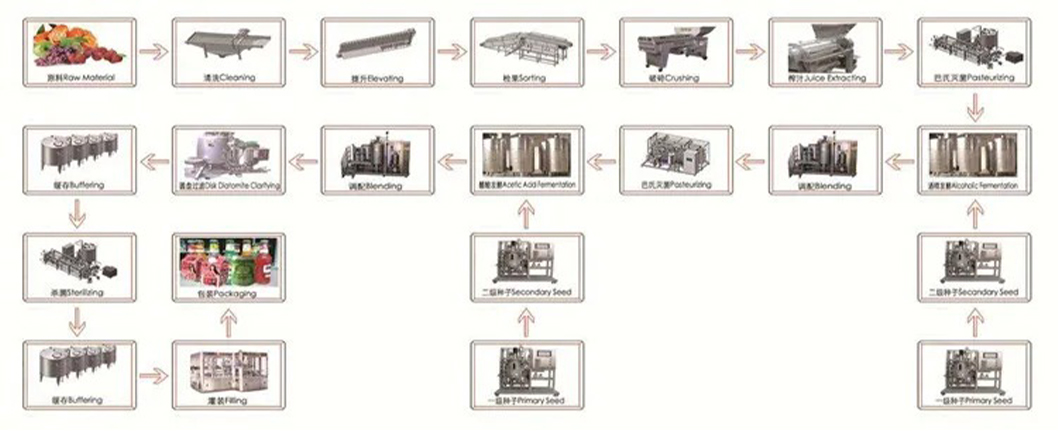
The apple cider vinegar production line follows a systematic process to ensure high quality:
3.1 Process Flow
Raw Apple Selection: Selecting ripe, fresh apples with high sugar content.
Washing and Sorting: Removal of dirt, debris, and damaged fruits.
Crushing and Pressing: Extraction of juice using hydraulic or screw presses.
Alcoholic Fermentation: Converting sugars into alcohol using yeast in fermentation tanks.
Acetic Acid Fermentation: Using acetic acid bacteria (Acetobacter) to convert alcohol into vinegar.
Filtration and Clarification: Removing solids and achieving clarity.
Pasteurization: Heating to kill unwanted microbes and stabilize the product.
Bottling and Packaging: Automatic filling, capping, labeling, and packing for distribution.
3.2 Advantages of Modern ACV Production Line
| Advantage | Description |
|---|
| High Efficiency | Automated systems reduce production time and labor costs. |
| Consistent Quality | Precise control of fermentation parameters ensures uniform flavor and acidity. |
| Energy Saving | Modern plants use energy-efficient heating and cooling systems. |
| Hygienic Design | Stainless steel equipment minimizes contamination risk. |
| Scalability | Production lines can be adjusted from small-scale to industrial-scale outputs. |
4. Apple Wine Making Equipment
Apple wine is a fermented alcoholic beverage that serves as a precursor to apple cider vinegar. High-quality apple wine making equipment ensures the best base for vinegar production.
Equipment Includes:
Apple crushers and presses
Primary and secondary fermentation tanks
Cooling and temperature control systems
Yeast and nutrient dosing systems
Filtration units
Bottling and labeling machines
Benefits:
Enhances the flavor and aroma of vinegar
Improves fermentation efficiency
Provides precise control over alcohol content
5. Key Features of Modern Fruit Vinegar Plants
Automation and Smart Controls: PLC and SCADA systems monitor temperature, pH, and fermentation time.
Hygienic Design: SUS304/SUS316 stainless steel materials prevent microbial contamination.
Energy Efficiency: Heat exchangers, insulation, and renewable energy integration reduce costs.
Flexible Production: Supports different fruit types (apples, pears, berries, grapes).
Quality Control: In-line sensors ensure consistent acidity, alcohol, and sugar levels.
6. Specifications of Apple Cider Vinegar Production Line
| Equipment | Capacity | Material | Dimensions | Function |
|---|
| Fruit Washing Tank | 500–5000 kg/h | Stainless Steel | Varies | Removes debris and contaminants |
| Crusher & Press | 300–4000 kg/h | Stainless Steel | Varies | Extracts juice efficiently |
| Alcoholic Fermentation Tank | 1–20 m³ | SS304/316 | Custom | Converts sugars to alcohol |
| Acetic Acid Fermentation Tank | 1–20 m³ | SS304/316 | Custom | Converts alcohol to acetic acid |
| Filtration System | 500–5000 L/h | Stainless Steel | Varies | Clarifies juice/vinegar |
| Pasteurization Unit | 100–5000 L/h | Stainless Steel | Varies | Stabilizes product |
| Bottling Line | 500–3000 bottles/h | Stainless Steel | Varies | Fills, caps, and labels bottles |
7. Industry Trends and Innovations
Continuous Fermentation: New bioreactors allow faster acetic fermentation.
Eco-Friendly Production: Solar energy, water recycling, and biodegradable packaging.
Smart Monitoring: AI-based predictive maintenance for fermentation tanks.
Functional Vinegars: Incorporation of probiotics, herbal extracts, and bioactive compounds.
8. Benefits of Using Modern Fruit Vinegar Processing Plant
Improved Product Quality: Consistent taste, color, and aroma.
Reduced Waste: Efficient use of raw materials and recycling of by-products.
Higher Productivity: Automation reduces labor intensity and downtime.
Hygienic and Safe: Minimizes contamination risk.
Market Competitiveness: Meets global standards for export and health compliance.
9. Applications of Fruit Vinegar and Apple Cider Vinegar
Culinary uses: Salad dressings, marinades, sauces.
Beverage industry: Health drinks, sparkling vinegar drinks.
Health supplements: Detox, digestion, and weight management.
Cosmetics: Hair and skin care products.
Food preservation: Pickling and flavor enhancement.
10. Maintenance and Operational Tips
Regular cleaning of fermentation tanks to prevent contamination.
Monitoring pH, temperature, and alcohol levels during fermentation.
Routine inspection of pumps, valves, and piping.
Calibration of sensors and automation controls.
Proper storage of raw fruits and finished vinegar products.
11. Conclusion
The modern fruit vinegar processing plant, coupled with a sophisticated apple cider vinegar production line and apple wine making equipment, represents a leap forward in beverage manufacturing. By integrating automation, hygiene, and energy efficiency, these systems provide high-quality, consistent, and scalable production.
Producers can meet increasing global demand for healthy and flavorful vinegars, optimize operational costs, and expand into new markets. Investing in advanced equipment not only improves product quality but also ensures sustainable and competitive growth in the fruit vinegar industry.
Optional Table of Fruit Vinegar Types for SEO and Keyword Density
| Fruit Type | Vinegar Name | Typical Acidity | Notes |
|---|
| Apple | Apple Cider Vinegar | 4–6% | Popular for health applications |
| Grape | Wine Vinegar | 5–7% | Often used in gourmet cuisine |
| Pear | Pear Vinegar | 4–6% | Mild, sweet flavor |
| Berry | Berry Vinegar | 4–6% | Rich in antioxidants |
| Mixed Fruits | Fruit Vinegar | 4–6% | Blended for complex flavor |
 +86 29-87031531



 هاتف
هاتف