Energy saving features in Modern Stainless steel fermenter Systems
Modern breweries face increasing pressure to improve production efficiency while reducing operational costs. One key area of improvement is energy consumption during fermentation. Understanding energy saving features in modern Stainless steel Fermenter systems can help breweries save power, maintain consistent beer quality, and support environmentally friendly operations.
Stainless steel fermenter systems have become the preferred choice for both craft and commercial breweries due to their durability, sanitary design, and compatibility with modern energy-saving technologies. By integrating advanced features such as insulation, temperature regulation, and automation, these fermenters reduce energy usage without compromising fermentation performance.
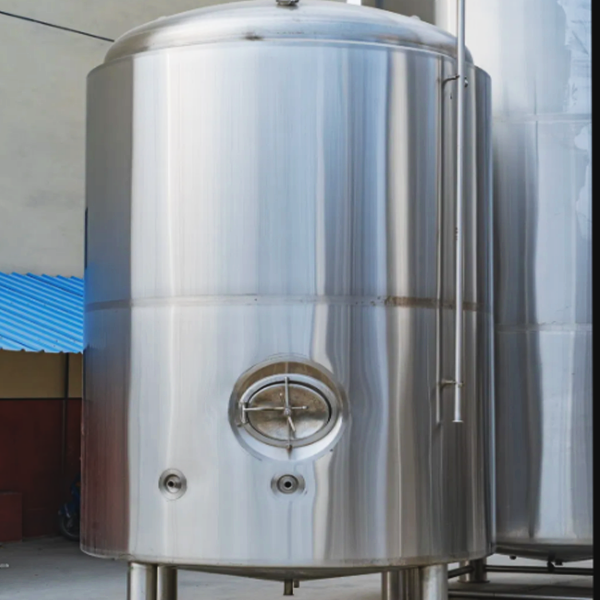
1. Introduction to Modern Stainless Steel Fermenter Systems
A stainless steel fermenter system is a sealed vessel designed for controlled Beer fermentation. Modern systems are equipped with multiple energy-saving features to optimize operations:
High-grade stainless steel construction
Thermal insulation jackets
Efficient temperature control systems
Automated monitoring and control
Streamlined cleaning processes
Understanding energy saving features in modern stainless steel fermenter systems provides insight into how breweries can lower costs and improve fermentation efficiency simultaneously.
2. Thermal Insulation for Energy Efficiency
Thermal insulation is one of the most important energy saving features in stainless steel fermenter systems. Insulation helps maintain stable fermentation temperatures, reducing the need for continuous heating or cooling.
Benefits:
Maintains consistent internal temperature for yeast activity
Reduces energy consumption for cooling systems
Minimizes heat loss during fermentation
Supports longer fermentation cycles without additional power input
By improving thermal efficiency, insulation is a core reason energy saving features in modern stainless steel fermenter systems reduce operational costs.
3. Precision Temperature Control
Temperature control is critical in fermentation. Modern stainless steel fermenters use integrated cooling jackets, glycol systems, or internal sensors to maintain precise temperature.
Energy-saving benefits:
Reduces overuse of cooling or heating systems
Maintains optimal yeast performance, minimizing production delays
Avoids energy waste caused by temperature fluctuations
Supports repeatable fermentation cycles with less power
Precision temperature control demonstrates how energy saving features in modern stainless steel fermenter systems improve both efficiency and beer quality.
4. Automated Control Systems
Automation is a major contributor to energy efficiency. Modern stainless steel fermenter systems often include automated temperature, pH, and pressure control systems.
Automation advantages:
Adjusts temperature and pressure without manual intervention
Reduces human error and energy waste
Enables remote monitoring to optimize fermentation cycles
Integrates with brewery management systems for consistent operation
Automation is a clear example of energy saving features in modern stainless steel fermenter systems enhancing operational efficiency.
5. Optimized Fermenter Design
The physical design of stainless steel fermenters also impacts energy usage. Conical or cylindrical shapes allow efficient thermal distribution and fermentation.
Design benefits:
Promotes natural sedimentation and yeast collection
Improves fluid dynamics, reducing the need for external agitation
Enhances heat transfer efficiency across the vessel
Lowers overall energy requirements for consistent fermentation
Optimized design explains part of why energy saving features in modern stainless steel fermenter systems are so effective.
6. Efficient Cooling Systems
Cooling is one of the largest energy expenses in fermentation. Stainless steel fermenters utilize energy-efficient cooling systems:
Glycol-cooled jackets with high thermal transfer
Reduced coolant flow rates without sacrificing temperature control
Smart cooling algorithms that minimize energy use
Energy savings in modern stainless steel fermenter systems are heavily dependent on efficient cooling strategies that maintain fermentation quality while reducing electricity consumption.
7. Integrated Heating Systems
Some fermentation processes require controlled heating. Modern stainless steel fermenters incorporate energy-saving heating features:
Insulated heating jackets
Low-power heaters with rapid response
Integration with automated control for precise temperature targeting
These features prevent energy wastage, demonstrating energy saving features in modern stainless steel fermenter systems that optimize fermentation processes.
8. Cleaning-In-Place (CIP) Systems
Cleaning is essential, but traditional methods can consume significant water and energy. Modern stainless steel fermenters use CIP systems to reduce energy usage:
CIP benefits:
Automated cleaning cycles minimize hot water consumption
Reduces the time and energy required for sanitation
Prevents manual handling, lowering labor and operational energy
Maintains hygienic conditions with less resource use
CIP is another critical energy-saving element in modern stainless steel fermenter systems.
9. Minimized Heat Loss Through Construction
Construction materials and finishing also contribute to energy efficiency:
Food-grade stainless steel prevents heat conduction loss
Smooth interior surfaces improve heat retention
Welded, sealed joints reduce leakage and energy waste
By reducing thermal loss, these energy saving features help modern stainless steel fermenter systems maintain temperature with minimal energy input.
10. Yeast Management for Sustainable Operations
Efficient yeast management reduces both time and energy spent on fermentation:
Conical design allows yeast to settle at the bottom
Harvested yeast can be reused, reducing startup energy for new batches
Supports continuous fermentation operations with lower power requirements
This demonstrates how energy saving features in modern stainless steel fermenter systems contribute to both environmental and operational efficiency.
11. Reduced Carbon Footprint
Energy saving features in modern stainless steel fermenter systems also support sustainable brewing:
Lower energy consumption reduces greenhouse gas emissions
Automated monitoring minimizes wasteful power usage
Sustainable yeast management reduces resource input per batch
Energy-efficient fermenters make breweries more environmentally responsible while improving production efficiency.
12. Scalability and Multi-Batch Operations
Modern stainless steel fermenter systems are scalable, allowing multiple batches with minimal additional energy:
Modular design reduces duplication of energy systems
Centralized control optimizes multi-batch energy consumption
Consistent fermentation across scales reduces corrective energy use
Scalability demonstrates another practical benefit of energy saving features in modern stainless steel fermenter systems.
13. Integration with Brewery Management Systems
Modern fermenters often integrate with broader brewery management systems for energy optimization:
Tracks energy consumption per batch
Adjusts cooling and heating cycles in real time
Provides predictive maintenance alerts to reduce energy waste
Enables data-driven energy-saving strategies
This level of control illustrates the synergy between technology and energy efficiency.
14. Long-Term Operational Cost Reduction
By reducing energy use, modern stainless steel fermenters decrease operational costs over time:
Lower electricity and water consumption
Reduced labor for monitoring and cleaning
Fewer failed batches due to better temperature and yeast control
This explains why breweries see a return on investment when using fermenters with energy saving features.
15. Summary
Energy saving features in modern stainless steel fermenter systems include:
Thermal insulation
Precision temperature control
Automated process management
Efficient cooling and heating
CIP cleaning
Optimized vessel design
Yeast management
Data-driven energy monitoring
These features work together to reduce energy consumption, enhance fermentation quality, and support sustainable brewery operations. By investing in modern stainless steel fermenter systems, breweries can achieve higher efficiency, lower costs, and more consistent beer quality.
 +86 29-87031531



 هاتف
هاتف
تعليق
(0)