Stainless steel Fermentation vessel Improves Production Efficiency
In modern brewing operations, efficiency is not just about speed — it is about consistency, hygiene, control, and repeatability. One of the most important equipment choices that directly influences overall workflow is the fermentation tank. Understanding how Stainless steel fermentation vessel improves production efficiency helps breweries optimize output, reduce waste, and maintain stable beer quality across every batch.
A stainless steel fermentation vessel has become the industry standard in both craft and commercial brewing because it supports predictable fermentation, easier cleaning, better temperature control, and smoother production cycles. This article explains in detail how stainless steel fermentation vessel improves production efficiency across every stage of brewing.
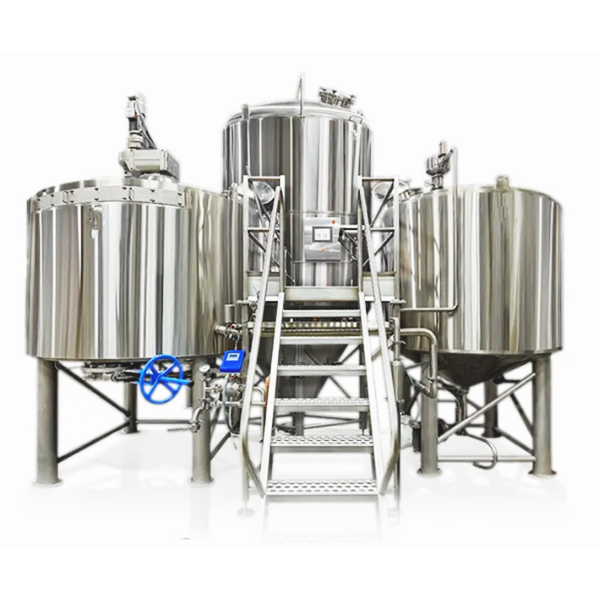
1. Introduction to Stainless Steel Fermentation Vessel
A stainless steel fermentation vessel is a sealed brewing container designed for controlled fermentation of beer. It is typically made from food-grade stainless steel, ensuring durability, hygiene, and long-term stability.
Key features include:
Corrosion-resistant stainless steel structure
Conical or cylindrical fermentation design
Integrated temperature control systems
Sampling and drainage valves
Easy cleaning and sterilization capability
These features directly explain how stainless steel fermentation vessel improves production efficiency in modern breweries.
2. Faster Cleaning and Reduced Downtime
One of the most important ways a stainless steel fermentation vessel improves production efficiency is through cleaning speed. In brewing, cleaning time directly affects production cycles.
Efficiency advantages:
Smooth internal surfaces reduce residue buildup
Cleaning-in-place (CIP) systems allow automated washing
No need for disassembly between batches
Reduced labor time for sanitation
Because cleaning is faster and more efficient, breweries can start new fermentation cycles sooner. This is a key reason how stainless steel fermentation vessel improves production efficiency is closely linked to sanitation design.
3. Improved Temperature Control Efficiency
Temperature control is essential in fermentation. Yeast performance depends heavily on stable conditions, and stainless steel vessels are designed to maintain and regulate temperature efficiently.
Temperature efficiency benefits:
Built-in cooling jackets for precise regulation
Even heat distribution across the vessel
Reduced risk of overheating or temperature spikes
Faster response to environmental changes
Stable temperature reduces fermentation errors and shortens production delays. This is a major factor in how stainless steel fermentation vessel improves production efficiency.
4. Consistent Fermentation Performance
Production efficiency is not only about speed — it is also about consistency. A stainless steel fermentation vessel ensures predictable fermentation results across batches.
Consistency advantages:
Stable yeast activity due to controlled environment
Reduced batch-to-batch variation
Better control over fermentation timeline
Fewer failed or contaminated batches
When fermentation becomes predictable, breweries waste less time correcting issues. This directly supports how stainless steel fermentation vessel improves production efficiency.
5. Efficient Yeast Management
Yeast reuse is a major cost and efficiency factor in brewing. Stainless steel conical fermentation vessels allow easy yeast Harvesting and reuse.
Yeast efficiency benefits:
Yeast collects naturally at the cone bottom
Easy removal through bottom valves
Healthy yeast can be reused for multiple batches
Reduced need for new yeast purchases
Efficient yeast management reduces production costs and speeds up preparation for the next batch.
6. Reduced Contamination Risk
Contamination is one of the biggest causes of production delays in brewing. Stainless steel vessels significantly reduce this risk.
Hygiene advantages:
Non-porous surface prevents microbial growth
Easy sterilization before and after use
Closed system reduces exposure to air contaminants
Stable sanitation standards across batches
Lower contamination means fewer wasted batches, which is a core reason how stainless steel fermentation vessel improves production efficiency.
7. Better Sediment Separation and Clarity
Stainless steel conical fermentation vessels improve separation of yeast and trub (sediment), reducing manual processing steps.
Sediment efficiency benefits:
Sediment collects at the bottom cone
Easy draining without disturbing beer
Cleaner transfer to storage or packaging
Reduced filtration requirements
This improves workflow speed and reduces additional processing stages.
8. Automation and Process Integration
Modern breweries increasingly rely on automation. Stainless steel fermentation vessels are compatible with automated systems that improve production efficiency.
Automation benefits:
Digital temperature monitoring systems
Automated cooling and heating controls
Fermentation data tracking
Remote alerts for process deviations
Automation reduces manual intervention and improves production accuracy.
9. Increased Batch Turnover Speed
A major factor in brewery profitability is how quickly batches can be completed. Stainless steel fermentation vessels help shorten total production time.
Speed advantages:
Faster fermentation due to optimized temperature control
Reduced downtime from cleaning and preparation
Efficient yeast reuse reduces startup delays
Streamlined transfer processes
Faster batch turnover directly reflects how stainless steel fermentation vessel improves production efficiency.
10. Lower Maintenance Requirements
Maintenance downtime reduces production efficiency significantly. Stainless steel vessels require less frequent repairs compared to other materials.
Maintenance benefits:
Resistant to corrosion and wear
Durable under repeated cleaning cycles
Long operational lifespan
Fewer replacement parts needed
Less maintenance means more active production time.
11. Energy Efficiency in Brewing Operations
Stainless steel fermentation vessels also contribute to energy savings.
Energy efficiency advantages:
Better insulation reduces cooling energy loss
Efficient temperature control systems reduce power consumption
Faster fermentation reduces overall energy usage per batch
Energy savings improve long-term production efficiency and operational sustainability.
12. Scalability for Production Growth
As breweries expand, scalability becomes important. Stainless steel fermentation vessels support scalable production systems.
Scalability benefits:
Available in multiple sizes
Modular integration into larger systems
Consistent performance across volumes
Easy replication of production processes
This ensures efficiency is maintained even as production increases.
13. Improved Workflow Organization
Workflow efficiency is critical in brewing operations.
Workflow advantages:
Clear separation of fermentation stages
Easier monitoring of multiple batches
Simplified transfer and storage processes
Reduced manual handling errors
Better workflow structure improves overall production efficiency.
14. Quality Control and Reduced Waste
Higher efficiency also means less waste.
Quality control benefits:
Fewer failed fermentation batches
Consistent flavor and alcohol levels
Better predictability in production output
Reduced raw material waste
This is another important aspect of how stainless steel fermentation vessel improves production efficiency.
15. Applications in Different Brewing Systems
Stainless steel fermentation vessels are used in:
In all cases, they improve efficiency through consistent performance and reliable operation.
16. Best Practices for Maximum Efficiency
To fully maximize efficiency:
Maintain consistent cleaning schedules
Monitor temperature continuously
Reuse healthy yeast properly
Avoid overfilling vessels
Inspect valves and seals regularly
Following these practices ensures optimal results from the system.
17. Conclusion
Understanding how stainless steel fermentation vessel improves production efficiency is essential for any brewery aiming to optimize performance. From faster cleaning and improved temperature control to better yeast management, reduced contamination, and automation compatibility, stainless steel fermentation vessels significantly enhance every stage of brewing.
Their durability, consistency, and efficiency make them a foundational component of Modern brewing systems. By investing in proper equipment and operational practices, breweries can achieve higher output, better beer quality, and more stable production cycles.
 +86 29-87031531



 هاتف
هاتف
تعليق
(0)